Post and Courier – May 2026 – Three C’s and a Discovery: Chile’s Red Wine Story
Chile has a confession to make. For most of the twentieth century, it was quietly growing one of Bordeaux’s most noble grape varieties and calling it Merlot. Not out of deception, but out of honest ignorance. The grape had arrived in the mid-1800s, thrived in Chile’s phylloxera-free soils, and settled so comfortably into the landscape that nobody thought to question what it actually was. Then on November 24, 1994, a French ampelographer named Jean-Michel Boursiquot was walking through a Merlot vineyard at Viña Carmen in the Maipo Valley and noticed something odd. The stamens were twisted. Merlot does not do that. DNA testing confirmed what Boursiquot suspected: the grape was Carmenère, a variety considered extinct in its homeland since phylloxera had swept through Bordeaux in the 1870s. Chile had been growing it all along, hiding in plain sight for over a hundred years, mislabeled and underestimated. November 24 is now celebrated annually as International Carmenère Day. The winery where the discovery was made, appropriately enough, was Carmen.
Founded in 1850, Carmen is Chile’s oldest winery. Santa Rita, founded in 1880, is its near-contemporary. Between them they have watched Chilean wine grow from colonial necessity to global contender. And between them they have produced the four bottles that prompted this column, a lineup that tells the story of Chile’s three great red C’s: Carmenère, Cabernet Sauvignon, and Cabernet Franc.
 Think of it as a jazz trio. Each musician is accomplished enough to hold a room alone. Each has a distinct voice, a distinct range, a distinct personality. But when three accomplished soloists choose to play together, the conversation changes entirely. Same instruments. Different music. That is exactly what happens with these wines.
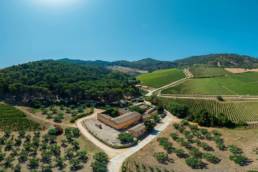
Chile’s Central Valley stretches between the Andes and the Pacific in a long, narrow corridor of exceptional growing conditions. The wines here come from three distinct terroirs, each leaving fingerprints on what ends up in the glass. The Apalta Valley within Colchagua sits in a warm natural amphitheater of decomposed granite, where old vines dig deep and Pacific breezes arrive at night to preserve freshness. The Pumanque appellation on the coastal edge of Colchagua is cooler still, where marine influence keeps temperatures in check and coaxes precision from the grapes. Alto Jahuel in the Maipo Valley sits at the foot of the Andes at nearly 565 meters, with loamy-sandy-clay soils over a gravel subsoil that drains well and forces vines to work for every drop of water. Three soils. Three climates. Three personalities.
The Carmen Delanz Cabernet Sauvignon 2022 ($30) comes from Alto Jahuel, and it opens like a musician tuning up backstage. Initially slightly reductive, it asks for patience, and patience rewards it handsomely. With air, the nose opens into a layered arrangement of raspberry, cherry, currant, blackberry, and white pepper, with a quiet floral lift of violet and an unexpected touch of sandalwood that gives it a warmth and intimacy unusual in a Cabernet Sauvignon at this price. The palate is dry with crunchy, bright acidity, medium body, and fine-grained chewy tannins that never overstay their welcome. Woody herbal notes drift through on the finish. This is classical Chilean Cabernet Sauvignon: structured, precise, and quietly confident.
The Santa Rita Floresta Cabernet Franc 2021 ($35) is the most elegant instrument in the ensemble. It comes from Pumanque in coastal Colchagua, where the Pacific keeps things cool and the vines produce with freshness and restraint. Like the Cabernet Sauvignon it benefits from a few minutes of aeration, after which it unfolds into bright strawberry and cherry, allspice, cedar, and a faint herb note that hints at what is coming. The palate takes an interesting darker turn, the fruit deepening as green peppercorn arrives on the finish with quiet authority. Half this wine ages in large foudres rather than standard barriques, which keeps the oak from overwhelming the fruit and gives the tannins a fine, sandy texture that resolves beautifully.
And then the third instrument enters, the one with the unlikely story.
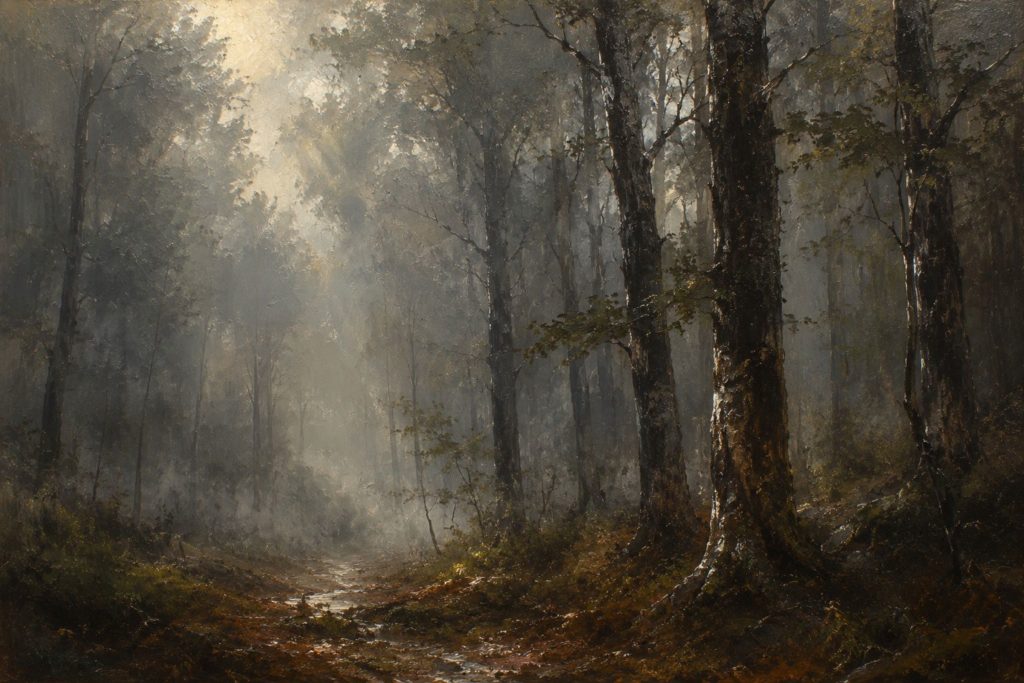 The Carmen Delanz Carmenère 2022 ($32), from old vines planted in 1938 on Apalta’s granite soils, smells like a walk in the forest after rain. Dark fruit, blackberry, and cassis anchor the nose alongside clove, cardamom, brambles, herbal notes, graphite, and a fresh turned earth quality that ties the whole thing together in a way that is distinctly and unmistakably Chilean. This is the grape that hid for a century, and now having been found, it’s not apologizing for any of it. The palate is dry with well-integrated juicy acidity and sturdy chalky tannins that frame the fruit without constraining it. It is generous without being heavy, complex without being obscure. This is Carmenère doing exactly what it was born to do.
Which brings us to the Santa Rita Triple C 2020 ($45), where all three instruments play at once.
The name refers to its composition: Cabernet Franc and Cabernet Sauvignon from Alto Jahuel in the Maipo, joined by Carmenère sourced from old Apalta vines in Colchagua. Each variety was vinified separately and blended after eighteen months in French oak, half new and half second use. The result is what happens when three very good soloists decide to trust each other. Blackberry, mulberry, and plum from the nose through the palate, joined by peppercorn, allspice, cedar, dark floral notes, cocoa powder, and a subtle black olive note that adds savory depth without pulling the wine off course. The tannins are sandy and ripe, the finish long and spiced. It is a complex and serious wine that rewards attention, and it delivers a great deal of both for the price.
Chile spent a century not knowing what it had. Now it does. And if these four bottles are any indication, it is making up for lost time with considerable style.
Bottle Talk: Seek out Carmen and Santa Rita wines at better wine and spirits retailers or online. Both wines ship widely across the United States.