Post and Courier – April 2026 – Natural Wines of Argentina
It seems that winter has finally relinquished her grasp and our segue into spring can be seen throughout the region. The azaleas, wisteria, and dogwoods are all showcasing their beautiful colors, announcing the reawakening of southern perennials.
Nature’s display woven into the theme of wine production got me thinking about the terminology and process of the now trendy Natural Wine. Like many elements in the wine industry, it is a misnomer, and for that reason I prefer “low intervention” to most of the other ponce or hipster lingo floating around the category.
 The truth is that this genre of wine has a reputation problem. Many consumers have had one too many funky, cloudy, oxidized bottles that smelled like a barn stall in desperate need of cleaning. This is not representative of the category, nor indicative of what it can deliver. Making a bad wine and marketing it as “natural wine” is akin to making bad beer, over-hopping it, giving it a clever name, and passing it off as the next trendy IPA. Bad wine is bad wine, no matter how sexy you make it sound.
Here is the thing, though. Done right, low-intervention winemaking is not a gimmick. It is a statement of confidence in the vineyard, and an admission that the best winemakers sometimes know when to leave things alone. Few places on earth make that statement more convincingly than Argentina.
Enter Argentina
The Andes are doing work that no winemaker can replicate in a laboratory. Some vineyards in Mendoza sit at elevations pushing close to 3,000 feet above sea level. Those altitudes generate intense sunlight that develops flavor and complexity in the grape, while the dramatic temperature swings between warm days and cool nights allow the fruit to ripen fully without surrendering its natural acidity. The result is fruit with enough character, complexity, and structure to make the winemaker’s best move simply staying out of the way.
Which brings us to Santa Julia.
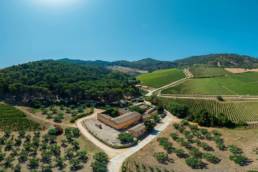
Their motto is “We Don’t Give a Damn.” It is bold, provocative, and is also a translation problem. The original Spanish, “No Nos Da Lo Mismo,” means something closer to the opposite, “it matters to us”, deeply and specifically. One look at their operation confirms the Spanish version. Santa Julia holds 963 certified organic acres across Maipú and Santa Rosa, has maintained Fair for Life certification since 2001, and has preserved a thousand acres of native forest between their two estate sites. They have also added Sustainable Argentina certification covering environmental, social, and ethical dimensions of production. These are not people who don’t give a damn.
Then there are the wines themselves, which tell the story better than any press release. Rather than naming their natural wine lineup after the family, the estate, or some aspirational French reference, Santa Julia named them after the animals that actually live in the vineyard. A donkey. A little fox. A South American hawk. A praying mantis. The donkey came first, inspired by a childhood pet of Julia’s brother Miguel and immortalized in a painting by artist Emiliano Pierro that the family fell in love with at an exhibit in their art cellar. From there, the lineup grew into a small menagerie of creatures that call the organic vines home. It is charming, it is specific, and it is about as far from pretentious as a wine label can get. Which is exactly why we are talking about them.
Santa Julia El Burro Natural Malbec 2024, Maipú, Argentina ($18)
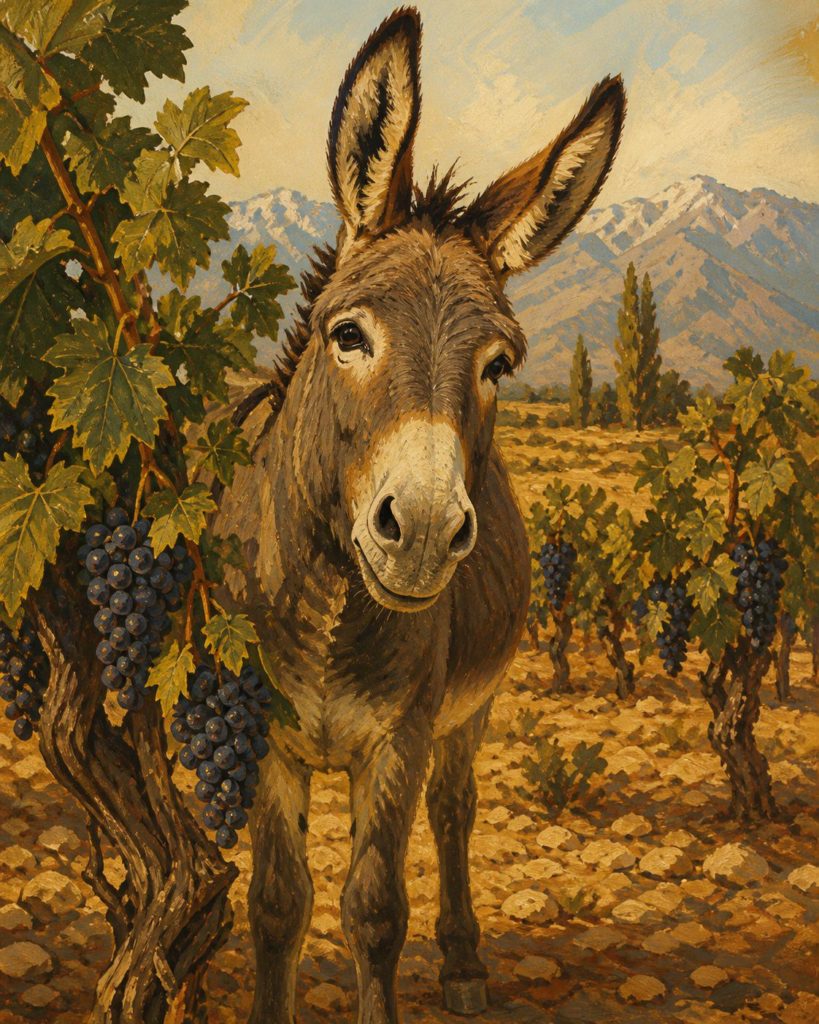 El Burro debuted in 2019 as the first in the natural series. No sulfites added, wild yeast fermentation, bottled unfiltered.
Nose of dark fruit (blackberry, plum), seductive herbal notes, slight freshly cut cedar, tobacco. Palate has smooth silty integrated tannins, the fruit and acid structure together edge toward mulberry notes along with the carry through of woody herbs.
Chill slightly and pair with anything coming off the grill. The donkey, it turns out, has excellent taste.
Santa Julia Chimango Natural Malbec Rosé 2024, Maipú, Argentina ($18)
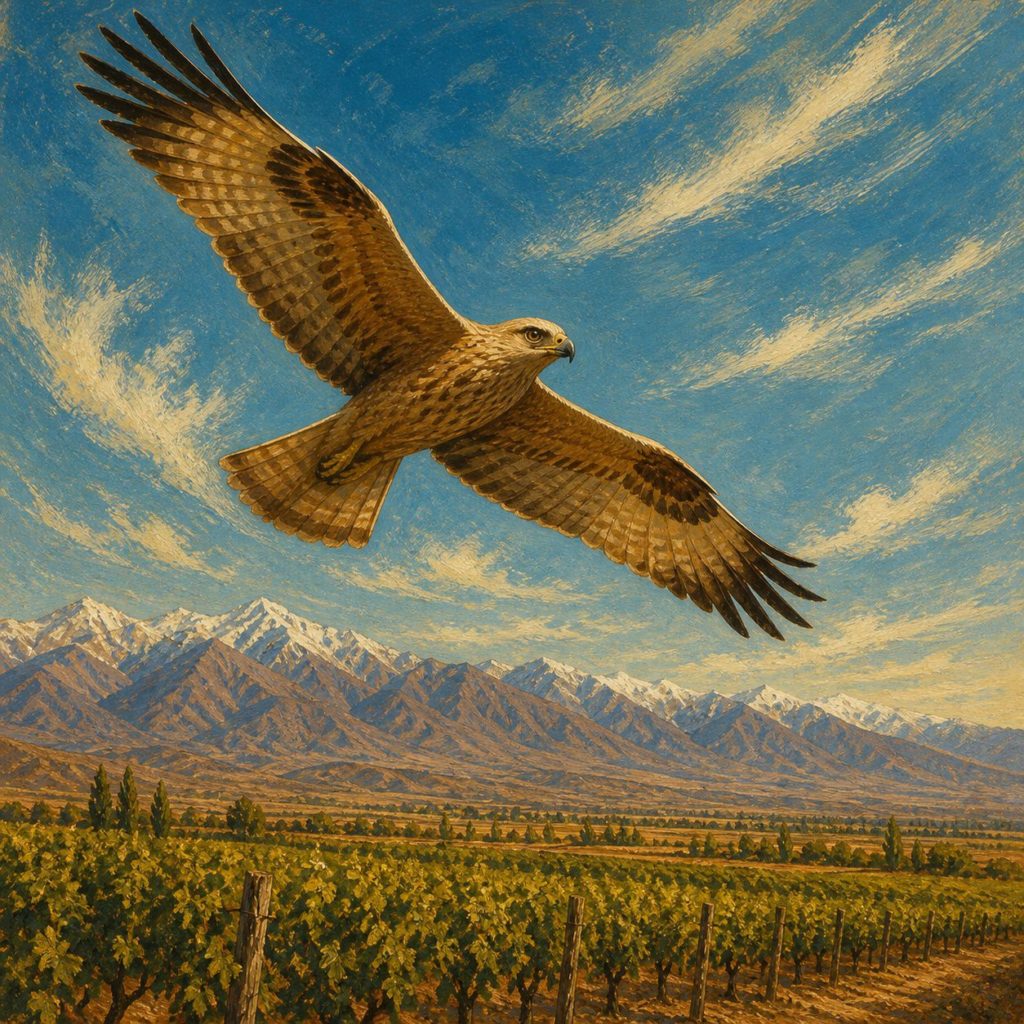 The chimango is a South American raptor in the falcon family frequently spotted circling above the vineyards. Made from 100% certified organic Malbec with a brief skin fermentation, delivering that delicate pink color. It sits at the intersection of a serious rosé and a light red, with more structure and energy than most rosés at this price point.
The nose shows petrichor, raw dough, blood orange, and strawberry. The palate emulates brined citrus and red fruits with a bright saline-driven acid core. There is a textured mouthfeel with a light perception of tannin.
Your patio-season wine has arrived. The hawk approves.
Santa Julia El Zorrito Naranjo Natural Chardonnay 2024, Maipú, Argentina ($24)
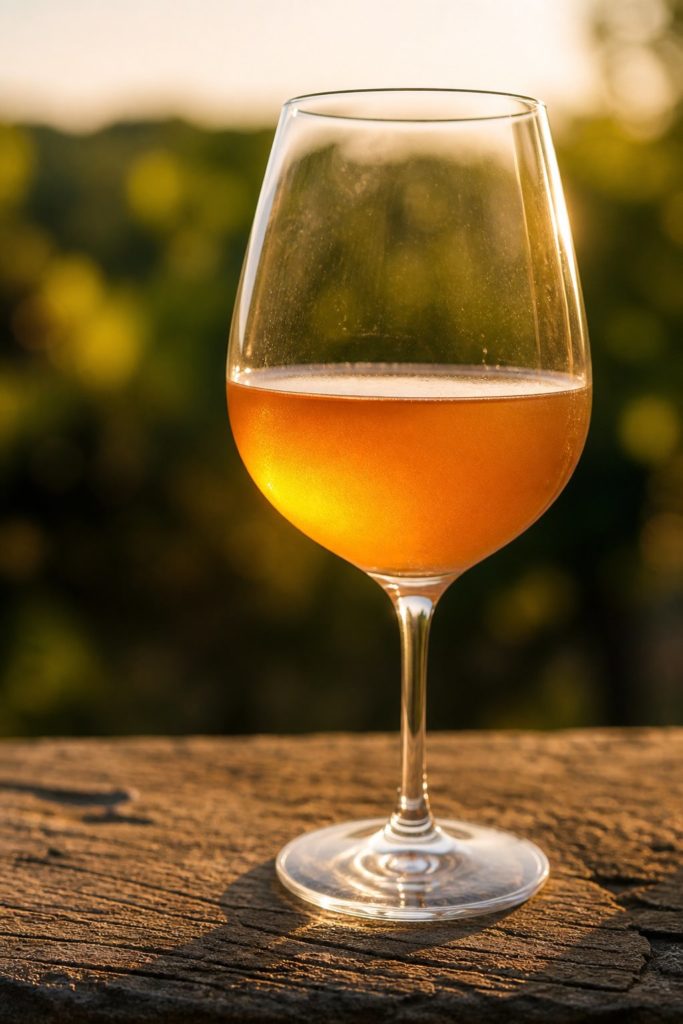
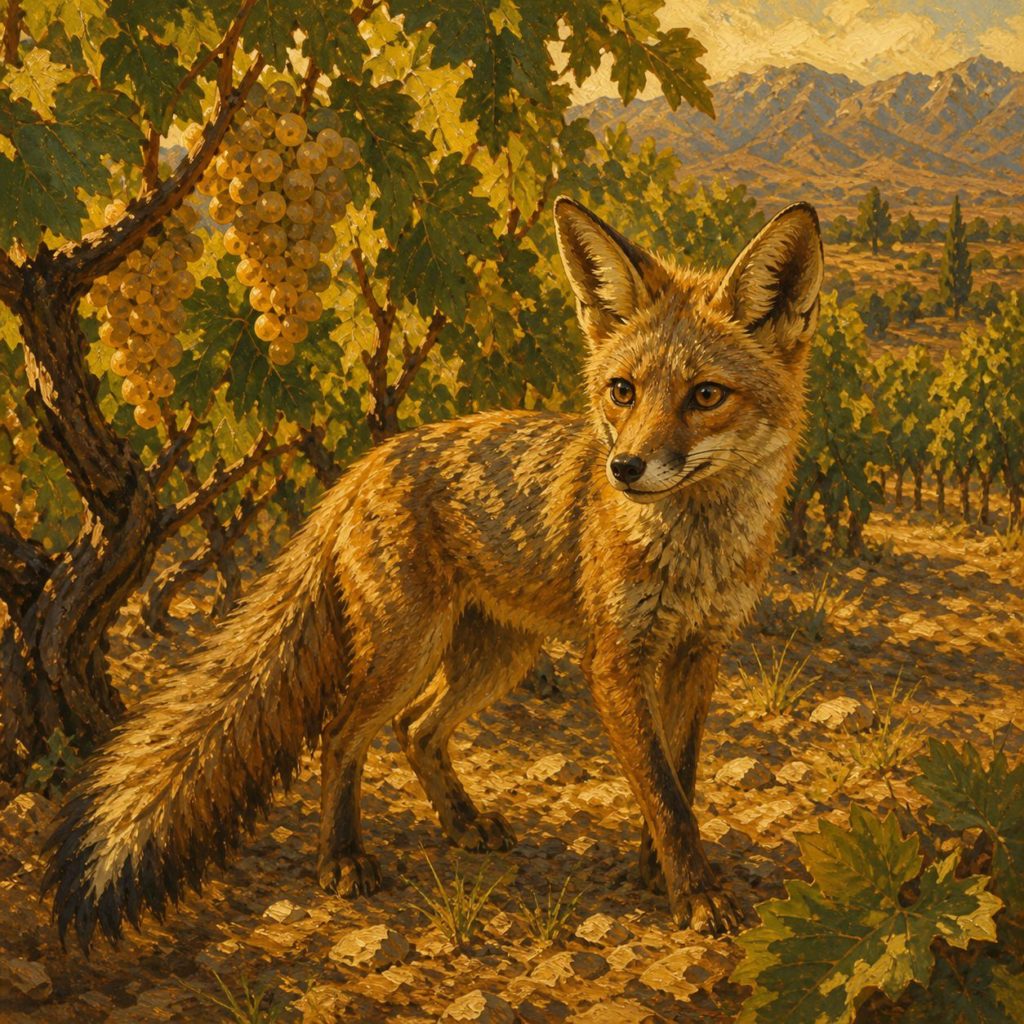 El Zorrito means the little fox, and this is the wine most likely to make someone double-take when you pour it. The color alone earns a conversation. The 2024 vintage underwent 90 days of skin contact, which explains both the depth of color and the tannic texture you do not expect from Chardonnay. Think grilled fish, roasted quail, anything with a little fat and acid to push against. The little fox is more approachable than it looks.
Lemon skin, apricot, bees’ wax, and orange blossom all unveil themselves. The palate shows an unexpected tannic texture and the apricot, lemon and a floral nuance give a lemon verbena tea feel.
Not your grandmother’s Chardonnay. Not trying to be.
Santa Julia La Mantis Pet Nat Natural 2024, Maipú, Argentina ($24)
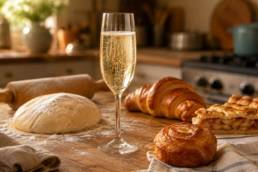
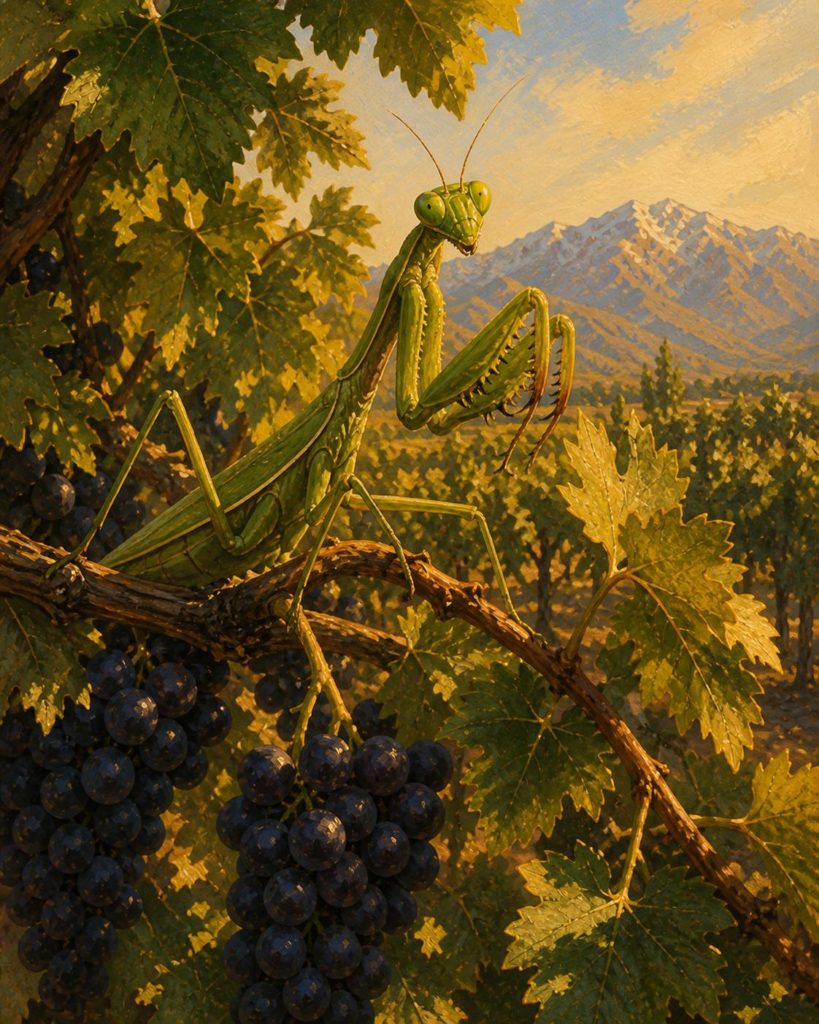 The praying mantis is most visible in the vineyard during harvest, which makes it the right mascot for the most alive and spontaneous wine in the lineup. The pét nat method predates Champagne: the wine is bottled mid-fermentation and finishes in the bottle with no additions. The result is a naturally hazy, frothy wine with a low-pressure bubble that is nothing like Champagne and does not pretend to be.
The nose has evident baked pastry with orchard fruit (pear and apple) and tangerine. The effervescence elevates the flavors and a bright acidity brings a clean, crisp and refreshing finish.
Serve cold. Drink it before it loses its froth and starts asking philosophical questions.
Spring has arrived, the vines are waking up, and Santa Julia’s small menagerie is ready for your patio. The animals have been waiting.