Post and Courier – March 2026 – Fun and Unusual Wines
As a writer, I periodically reflect on my craft, both stylistically and conceptually. This helps prevent stagnation and keeps me from wandering aimlessly on that creative plateau. I try to carry the same philosophy through to my wine selections. We all have our go-to bottles to accompany favorite culinary creations or quiet contemplation, but breaking that routine keeps us intellectually challenged as progressive imbibers. This is one side of my double entendre tagline: think how you drink.
Luckily, some of my suppliers have provided interesting selections that I can pass on to my loyal readers. I relish finding wines that are either located off the proverbial beaten path or feature an unusual or underappreciated grape variety. This month we have a bit of both. Four bottles. Four stories. Each one challenges assumptions about where good wine comes from and what certain grapes can do.
Gustave Lorentz Pinot Blanc Classique 2024, Alsace, France ($32)
 Pinot Blanc has an image problem. Somewhere along the way it became the grape you overchill and drink with complete cerebral disconnect. Light, crisp, harmless, forgettable. The kind of wine you bring to a party because nobody will complain, but nobody will remember it either.
This bottling from Gustave Lorentz politely disagrees with that reputation.
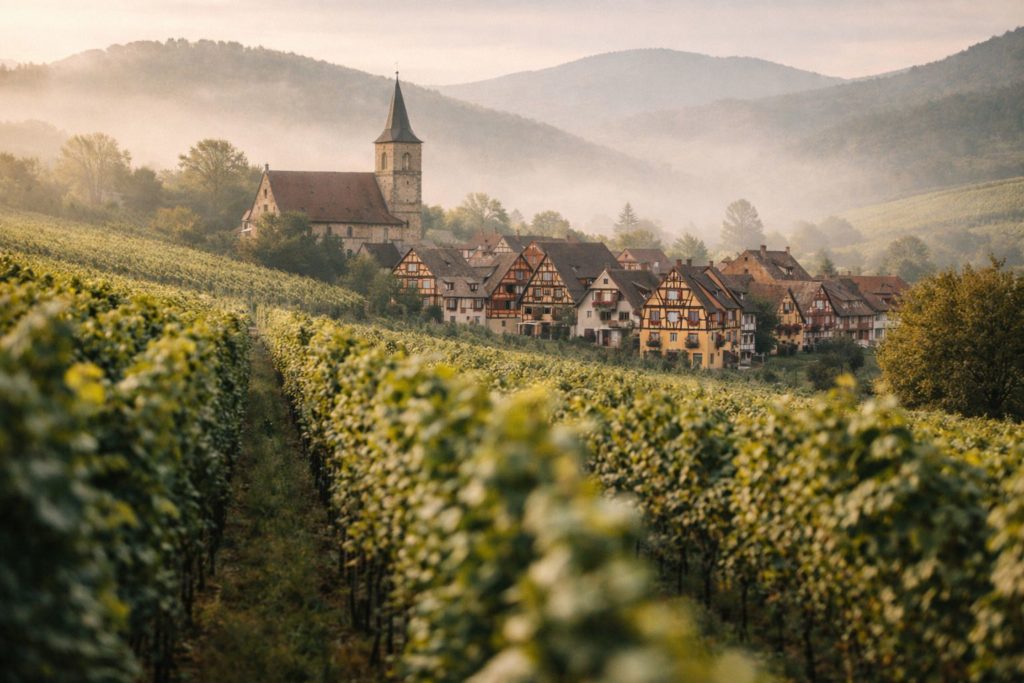
Alsace has always taken Pinot Blanc seriously, even when the rest of the world treated it as an afterthought. The region’s cool climate and diverse soils coax more complexity from the grape than many warmer areas can manage. The Lorentz family has been farming here since 1836, and their biodynamic approach lets the vineyard character come through without interference.
The wine itself announces its intentions immediately. There is noticeable viscosity here, a weight and texture and a deeper color, hinting that this is not just a porch wine. On the nose, orchard fruit mingles with honeydew melon rind. The palate delivers melon and pineapple riding on mineral-laden acidity that keeps everything lifted without turning too sharp.
If you have dismissed Pinot Blanc as background music, this bottle might change your mind.
Tállya Tokaji TR Dry 2010, Tokaj, Hungary ($30)
 Say “Tokaji” and most people think of golden, honeyed dessert wine. Aszú. Noble rot. Unctuous and rich. That reputation is well deserved, but it tells only part of the story.
Tokaj’s signature grapes, Furmint and Hárslevelű, possess remarkable acidity and structure. This is one of the reasons these varieties do so well in the sweeter versions. When vinified dry, however, they produce wines that can rival the best white Burgundy or aged Chenin Blanc, while remaining entirely their own.
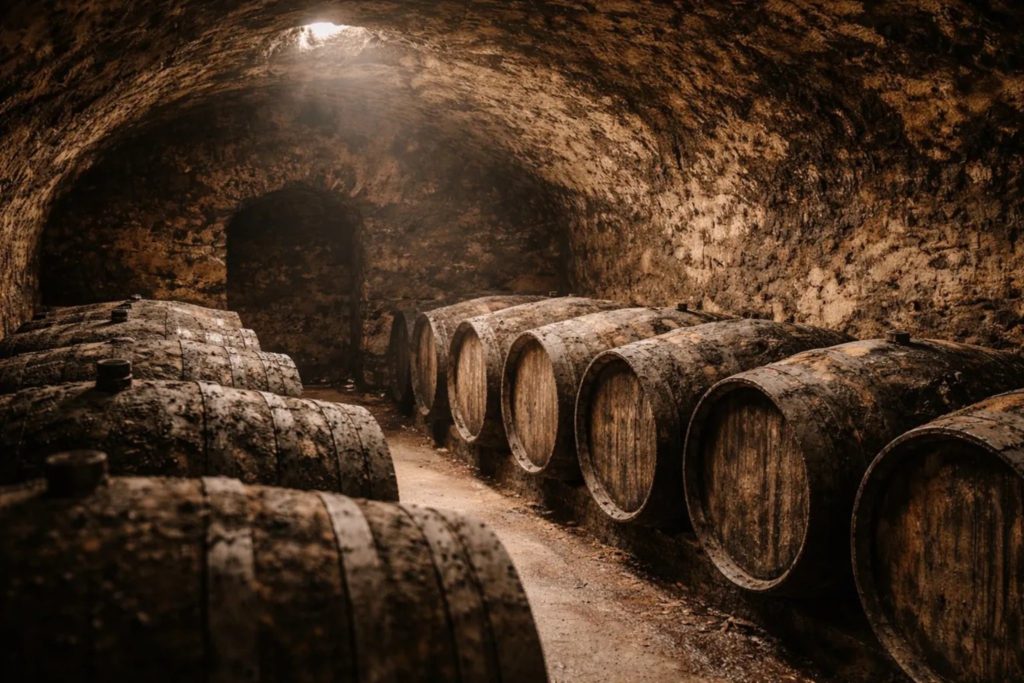
This bottling from Tállya splits the blend evenly: 50% Furmint, 50% Hárslevelű. The 2010 vintage means this wine has had over fifteen years to develop, and that time shows. The youthful fruit has evolved into something more contemplative. Waxy texture, savory depth, still vibrant acidity. There is history in this glass.
If your only experience with Hungarian wine involves sweetness, this bottle will recalibrate your expectations. The region has been making world-class wine for five centuries. It is about time we all paid closer attention.
Mouchão Alentejo Tinto 2016, Alentejo, Portugal ($60)
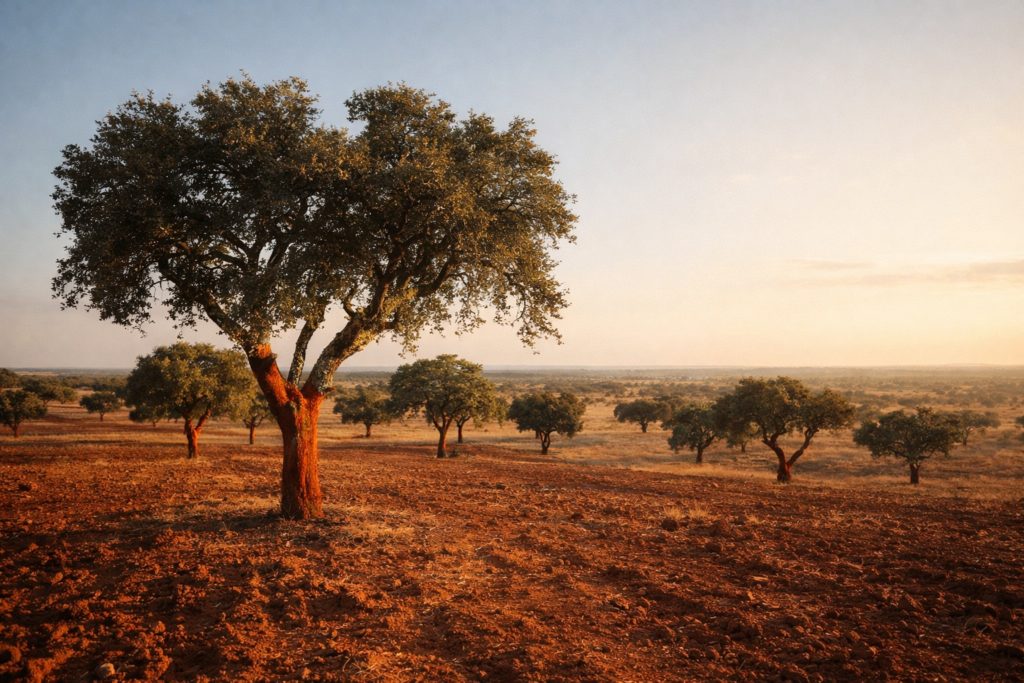 Portugal remains one of the most underappreciated wine countries for American drinkers. We know Port wine and maybe Vinho Verde, but little else. The Alentejo, that sun-baked expanse south of Lisbon where cork oaks outnumber people, rarely enters the conversation. Consider this your introduction.
Herdade do Mouchão is a 900-hectare estate, but only 42 of those hectares are planted to vine. The family has carefully selected alluvial soils tracing an old riverbed where underground water provides natural irrigation under otherwise brutal conditions. This is a great example of necessity breeding invention as they did not have electricity on site until twelve years ago. Winemaking stripped to its essentials.
The grapes are hand harvested into small baskets, foot-trodden in stone lagares, and pressed in hand-powered basket presses. The wine then ages for four years in ancient 5,000-liter barrels made of Portuguese oak and mahogany before spending another eighteen months in bottle. Nothing here happens quickly.
The 2016 is 85% Alicante Bouschet and 15% Trincadeira. Alicante Bouschet is a teinturier grape, meaning the flesh is colored as well as the skin. This translates into a virtually opaque wine. On the nose, spicy black fruit, plum jam, and ripe olives mingle with that distinctive stemmy, minty character that marks their estate style. The palate is full and concentrated but equally fresh and elegant, with exuberant tannins that promise decades of evolution.
If you happen to find a younger vintage, decant it for twelve to twenty-four hours, if you can manage the patience. My personal preference has it alongside roasts, game, or hearty casseroles.
Castel Sallegg Pinot Noir 2022, Alto Adige, Italy ($32)
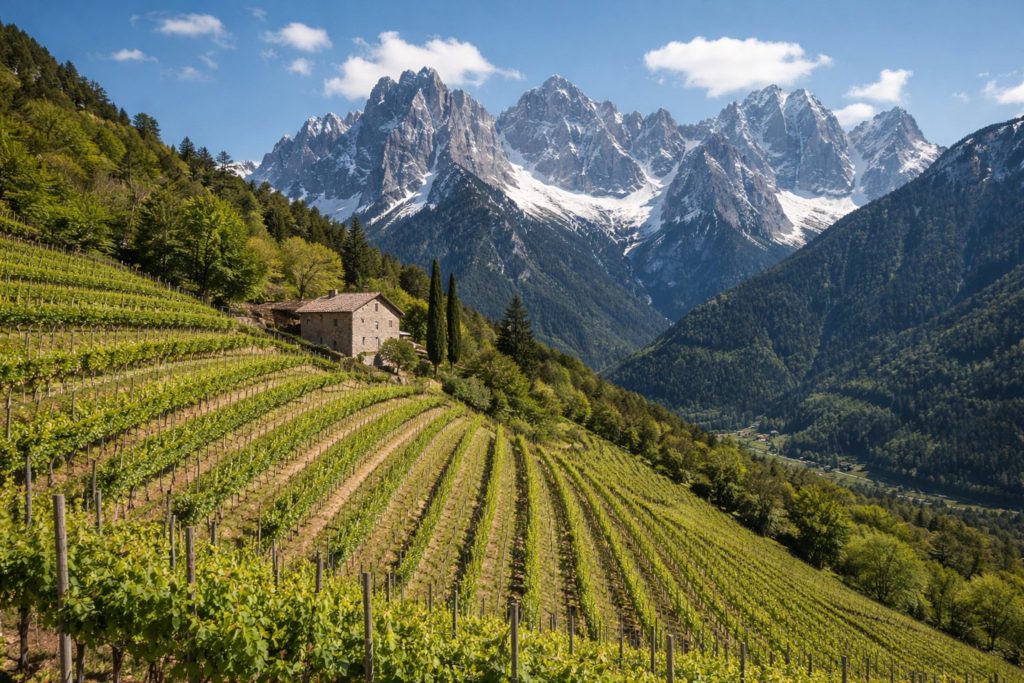 Alto Adige, also known as Südtirol, is tucked against the Austrian border in the shadow of the Dolomites. The region carries Germanic heritage, Italian governance, and a winemaking culture all its own. The high altitude, intense sun, and cool nights are a recipe for great wine. Pinot Noir, that notoriously fussy grape, feels surprisingly at home here.
Castel Sallegg has been making wine in this corner of Italy for over six hundred years, long before anyone decided Pinot Noir belonged exclusively to Burgundy. The estate sits near Lake Caldaro (Kalterer See in German), where the microclimate moderates temperature swings and aids in extending the growing season.
This 2022 offers red fruit, freshness, and an alpine clarity that sets it apart from both Burgundy and California. It is not trying to imitate either but rather carve out a style of its own. If you have written off Italian Pinot Noir based on lesser examples, this bottle definitely deserves a second look.
The Common Thread
Four wines. Four detours. What connects them?
None of them fit neatly into the usual categories. The Pinot Blanc punches above its weight class. The Tokaji flips expectations about Hungarian wine. The Portuguese red comes from a region most Americans could not find on a map. The Italian Pinot Noir grows where nobody thought it could. Yet here they are. Delicious. Interesting. Worth your attention.
That’s the thing about wandering off the beaten path. With a little exploration you stumble into a serendipitous discovery, and it turns out to be exactly what you needed.
Think how you drink.