Post and Courier July – 2026 – The Bread in the Bottle
How the traditional method leaves a signature you can taste, from Alsace to the Loire to Washington State, all for under forty dollars.
Pour a glass of good traditional method sparkling wine, put your nose in, and somewhere behind the fruit you will find a bakery. Fresh croissant, warm pie crust, the smell of dough about to become some sort of pastry goodness. That aroma is not an accident, and not an additive. This is the fingerprint of how the wine was made. Once you begin to recognize this nuance, you will find it everywhere: in a Champagne that costs three figures and in a bottle of Crémant that costs less than your last lunch out.
That is the quiet thrill of the four bottles on my counter this week. Not one of them breaches the forty-dollar price point. They come from three corners of the world, two French and two American, and yet they all carry the same signature, because they were all made the same patient way.
The timing is no accident. As Champagne keeps drifting out of everyday reach, more of us have gone looking for that same patience and skill at a kinder price, and growers from France to the Pacific Northwest have been glad to answer. What follows is a brief, and delicious, tour of that answer.
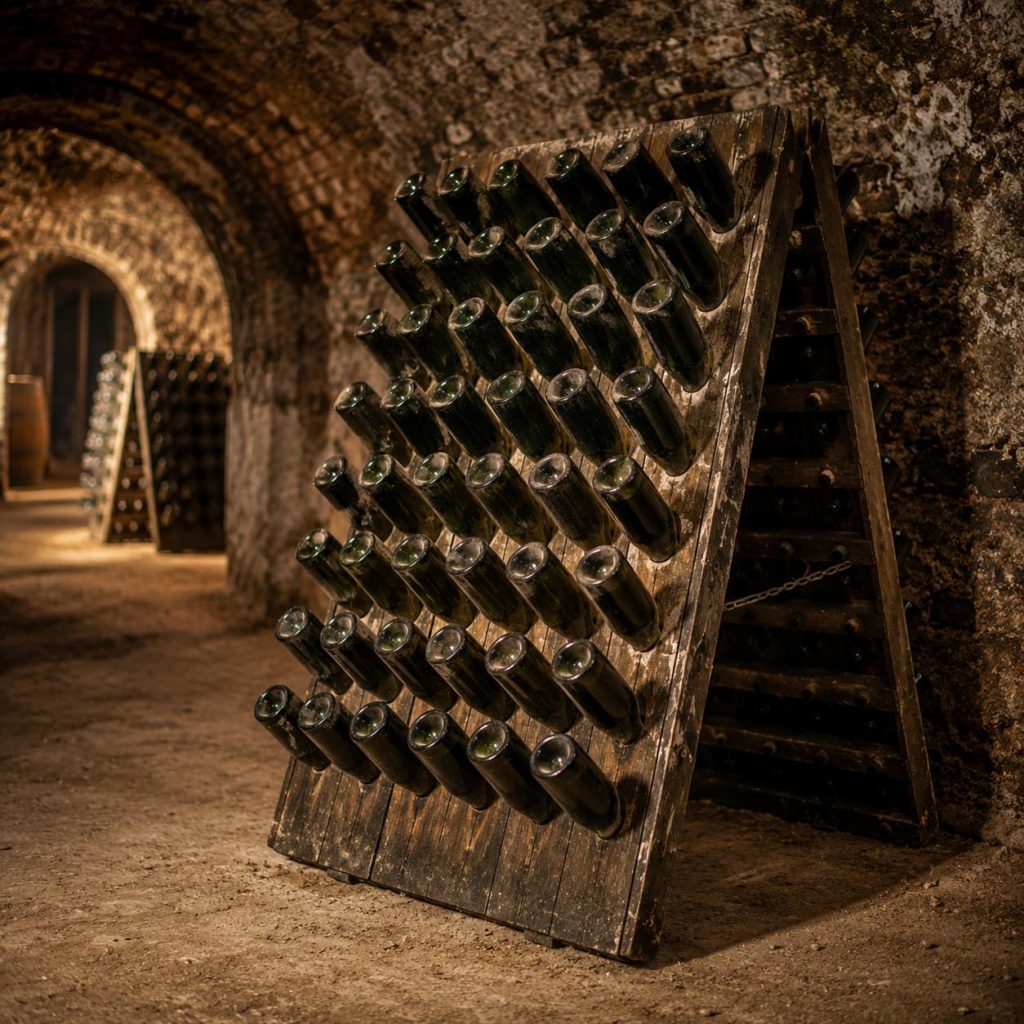 First, the magic behind the scenes. After a second fermentation occurs in the bottle, the wine rests for months, sometimes years, on the spent yeast. Those cells slowly break down, a process called autolysis, and that is what hands the wine its bread, brioche, and toast nuances. The same yeast releases compounds called mannoproteins, which do something you feel rather than smell, rounding the texture and knitting the mousse into something fine and creamy. Autolysis shows up in the aroma, mannoproteins in the mouthfeel. How long a wine rests, and in what conditions, changes how loudly that bakery speaks, which is the real pleasure of a flight like this one.
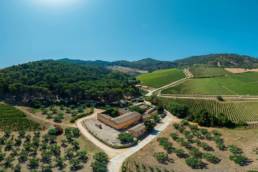
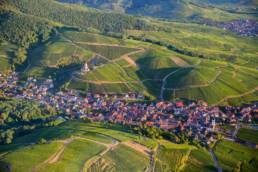
The journey begins in Alsace, with the Frédéric Mallo et Fils Crémant d’Alsace Brut (about $25). Mallo is a grower-producer, which means the family that tends the vines is the same one that makes the wine, no middleman and no blending house, just fruit and hands from a single estate. There is an honesty to that, and you can taste it. The bakery here is a whisper of croissant crust beneath an orchard of apple, peach, and pear, and the whole thing turns bright and tangerine-fresh on the finish. For the price of a sandwich and a coffee, it quietly asks why you ever spent more.
Follow the method north to the Loire and the bakery grows a little more pronounced. The Langlois Crémant de Loire Brut Réserve (about $28) comes from a Saumur house founded in 1885, a name so respected for its bubbles that Champagne Bollinger bought it and is still the owner. The wine also hides a secret the others do not. Alongside the expected Chenin Blanc and Chardonnay, Langlois folds in Cabernet Franc, the Loire’s great red grape, which lends a note of ripe cherry over the raw pie crust and citrus. A red grape in a white wine is a small act of mischief, and it quietly foreshadows where this flight is headed.
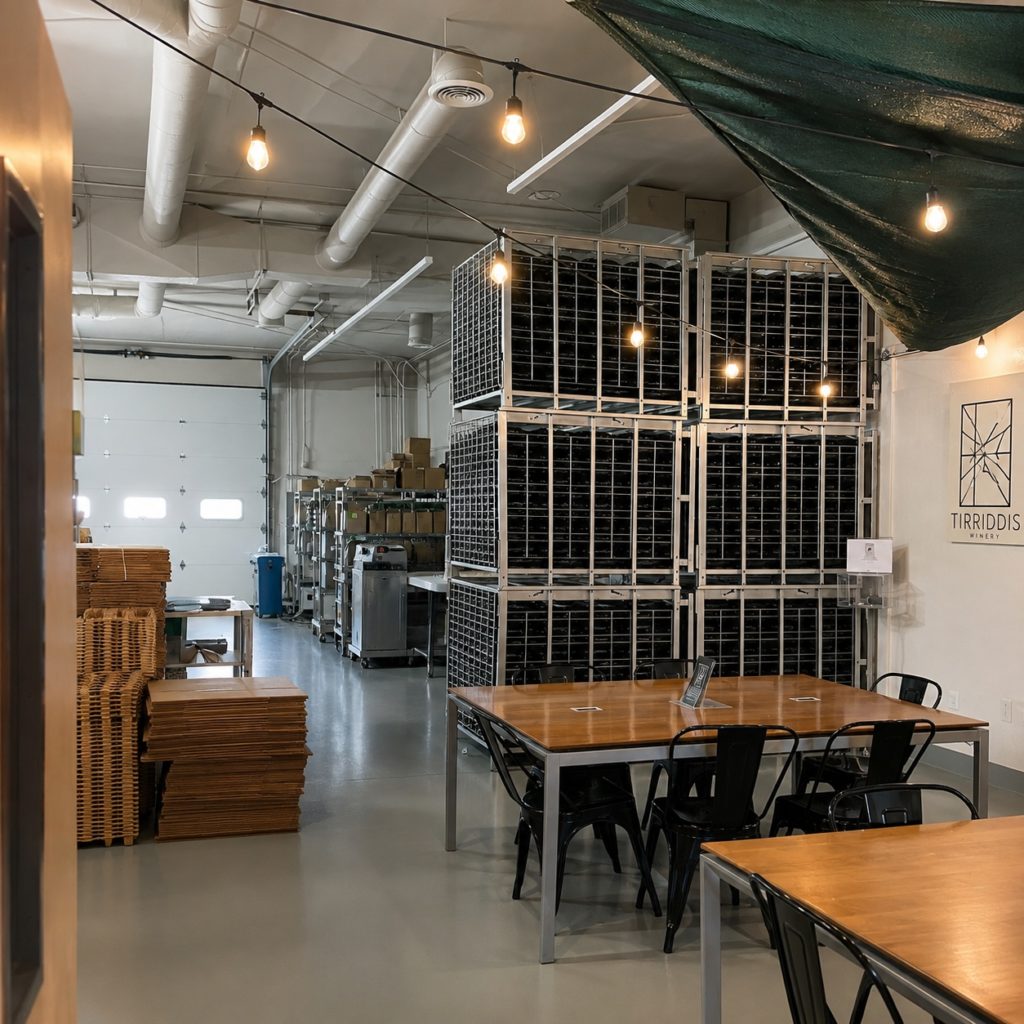 Now we cross an ocean. The same exacting craft, it turns out, has taken root in Washington’s Columbia Valley, in hands young enough to belong to the grandchildren of those French houses. Tirriddis Blanc de Blancs, Rendition 4 ($33) is the work of three Washington State graduates who started their winery in 2021 with more nerve than history, and named it, cheekily, for the very steps of the process they had just mastered: tirage, riddle, and disgorge. No château here, no century of dust, just three friends betting that Washington could compete at that same level. Their all-Chardonnay bottle is lime zest, brined citrus fruit, chalk dust, and yeast, lean and mineral and serious about itself. Pour it beside the two French wines and the family resemblance is unmistakable. Same method, same bakery, new address.
Which leaves the closer, and the dare. The Tirriddis Brut Red, Rendition 2 (about $36) is a sparkling red made mostly from white grapes, with a slug of Malbec for its garnet glow. I know how that sounds. But remember the Cabernet Franc hiding in the Langlois, and think how you drink, which is to say, drink the way you think at your best, curious and open to an idea you have not met yet. This one rewards the openness, with cherry, pomegranate, and an unexpected curl of Earl Grey tea riding a crunchy red-fruit spine. At nine grams of sugar, it is genuinely dry, and it may be the most original glass in the group. Proof that once a maker truly owns the method, they have earned the right to push the boundaries.
So, there is your under-forty tour of a technique that once felt out of reach. Four bottles, three countries, one shared signature you can now recognize with your own nose. A small piece of practical advice to send you off. Do not serve these too cold, or you will freeze the very aromas you just learned to chase. The two Crémants and the Blanc de Blancs are happiest around forty-five degrees, cold but not numbing. Let the Brut Red come up a touch warmer, closer to fifty or fifty-five, so its red fruit can speak. Pour, breathe in, and go looking for the bakery. It is in there, waiting.