The Bottle Talk – January 2026 – Sloppy Wet January
Every January, my social media feeds become saturated with proclamations of “Dry January,” that annual ritual of abstinence where otherwise reasonable adults announce their intention to give their livers a well-deserved vacation. I have nothing against the practice in theory, but I have always found the timing peculiar. After surviving the financial bloodletting of a holiday season that started in late November and crescendoed on December 25th, most of us limp into the new year with bruised wallets and depleted reserves. Throw in quarterly taxes looming ahead and Valentine’s Day waiting patiently to finish the job, and January seems like precisely the wrong time to give up one of the few remaining pleasures that costs much less than therapy.
I propose an alternative: a “Sloppy Wet January,” where we embrace the agave spirits that make the dark, cold month considerably more tolerable. Specifically, I am talking about Tequila and Mezcal, those oft-confused siblings that have been warming souls and inspiring questionable decisions for centuries. Rather than running from our glasses, let us run toward them, responsibly and with purpose.
For those unfamiliar with these spirits beyond the hazy memories of a college spring break, some background is warranted. Both Tequila and Mezcal come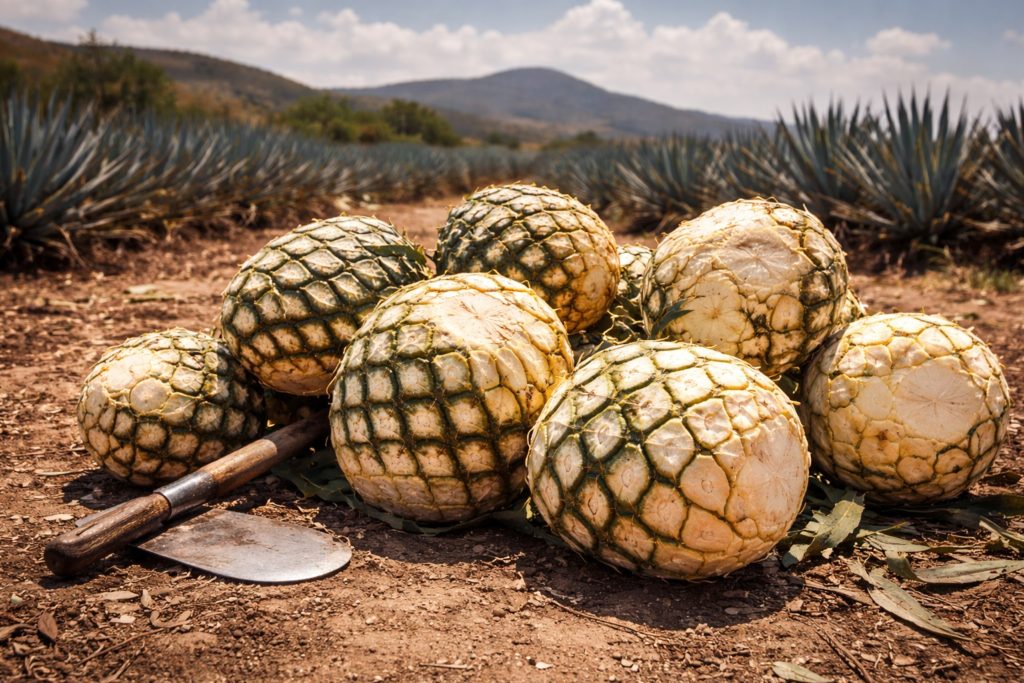 from the agave plant, a spiky succulent native to Mexico that is often mistaken for a cactus but is actually more closely related to asparagus and the lily family. The plant grows for six to ten years before harvest, at which point the outer leaves are cut away to reveal the piña, a dense core that looks remarkably like a giant pineapple and contains the carbohydrates that will eventually become alcohol. Since these carbohydrates cannot be directly fermented, the piñas must be cooked to convert them into fermentable sugars, and it is in this cooking process that Tequila and Mezcal part ways most dramatically.
Tequila has the distinction of being made exclusively from one variety: the blue agave. It must be produced in specific Mexican states, primarily Jalisco around the town that gives the spirit its name, though small portions of Michoacan, Tamaulipas, Nayarit, and Guanajuato also qualify. The piñas are typically cooked in masonry ovens called hornos or modern autoclaves, a relatively quick and consistent process. The resulting spirit, when made from 100% blue agave (always stated on the label), offers bright, clean flavors that range from vegetal and peppery in unaged expressions to vanilla and caramel in aged versions that have spent time in oak barrels.
Mezcal is the elder and broader category, sometimes described as the grandfather of Tequila. Technically, all Tequila is Mezcal, but not all Mezcal is Tequila, 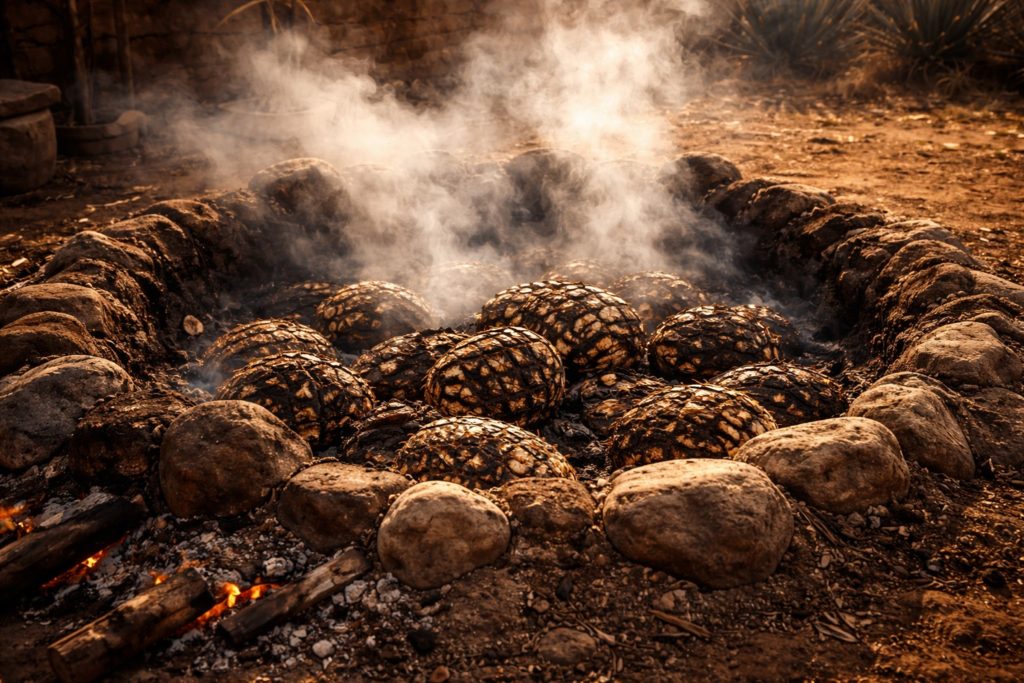 much like all bourbon is whiskey but not all whiskey is bourbon. Mezcal can be made from about 30 different agave varieties, with Espadín being the most common, and hails from states like Oaxaca, Michoacan, Puebla, and Guerrero, among others. The defining characteristic lies in the traditional cooking method: piñas are roasted in an earthen pit called a horno de tierra, buried under dirt and rock for up to six days over a fire of dried agave leaves and locally harvested wood. This underground roasting creates that distinctive smoky character that either captivates or terrifies the uninitiated.
I was once firmly in the latter camp, having been led astray by poorly made mezcals sporting a worm floating at the bottom like some kind of liquid trophy. That worm, incidentally, was a marketing gimmick from the 1950s and has nothing to do with traditional production. After a decade-long hiatus from agave spirits following some regrettable decisions in my younger years, I discovered that quality examples are complex, sippable, and worthy of contemplation rather than quick shooters followed by poorly remembered shame. I learned, over time, that the amount of spirit consumed and not necessarily the nature of it may have had a little something to do with my previous issues.
Both spirits come in various aging categories. Blanco or silver expressions are unaged and showcase the purest agave character. Reposado, meaning “rested,”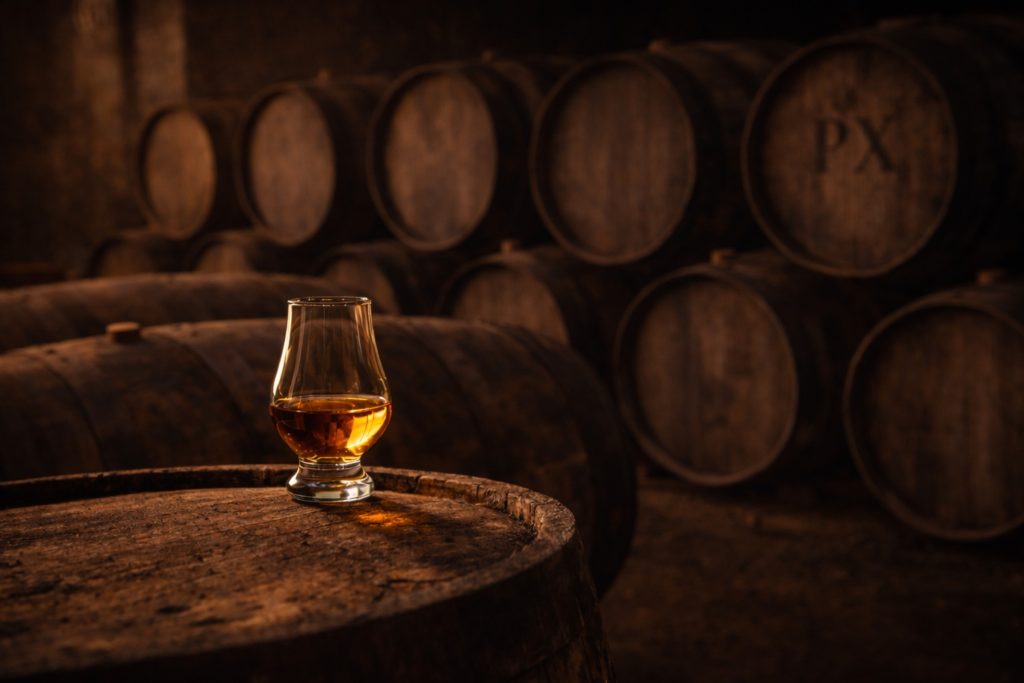 spends two months to a year in oak barrels, picking up vanilla and spice notes. Añejo expressions age for at least a year, developing deeper complexity. Some producers, like Lobos 1707, take an additional step, finishing their spirits in Pedro Ximénez sherry casks, which imparts dried fruit, caramel, and an almost raisiny sweetness that bridges Spanish and Mexican traditions in a way that feels both ancient and sophisticated. These PX-finished expressions make exceptional cocktail foundations, and they are what I have chosen for our January explorations.
What follows are four cocktails designed to help you navigate the month with warmth and a healthy disregard for trendy abstinence. Two feature mezcal, leaning into that smoke with herbal and chocolate companions. Two feature reposado tequila, playing off the vanilla and oak that come from barrel aging and sherry cask finishing.
If the devotees of Dry January want to spend their post-holiday weeks sipping sparkling water and feeling virtuous, I certainly won’t stop them. But for those of us who believe that January is too long, too cold, and too financially devastating to face without liquid consolation, these cocktails offer complexity and the kind of flavor that reminds you, life is meant to be savored. Fill your glasses, abandon your resolutions, and toast to a properly Sloppy Wet January.
Cocktail Recipes
Midnight in Oaxaca (Mezcal)
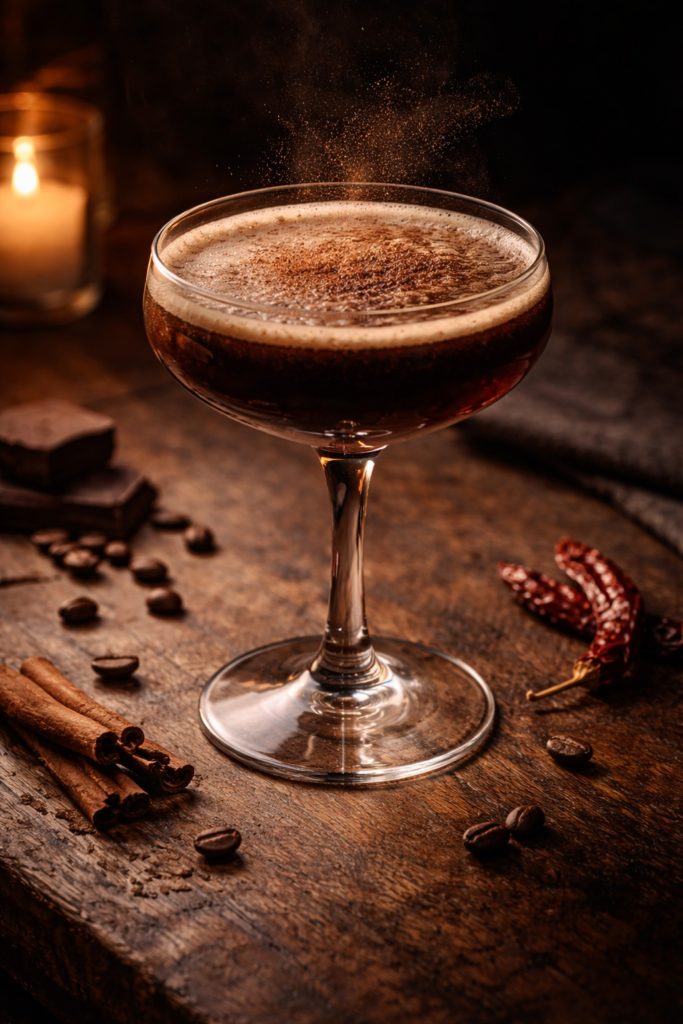 This cocktail showcases the mole tradition of Mexico’s mezcal heartland, combining smoke with chocolate, espresso, and a pinch of cayenne. The mezcal’s char plays off the roasted coffee notes while the heat sneaks up on you just enough to remind you this is not dessert, it is survival.
- 1½ oz Lobos 1707 Mezcal
- ¾ oz chocolate liqueur
- ½ oz fresh espresso or cold brew
- ¼ oz Tuaca
- Pinch of cayenne
- Pinch of cinnamon
Shake all ingredients vigorously with ice. Strain into coupe. Dust top with cinnamon. Optionally rim half the glass with cinnamon sugar.
The Bitter Den (Mezcal)
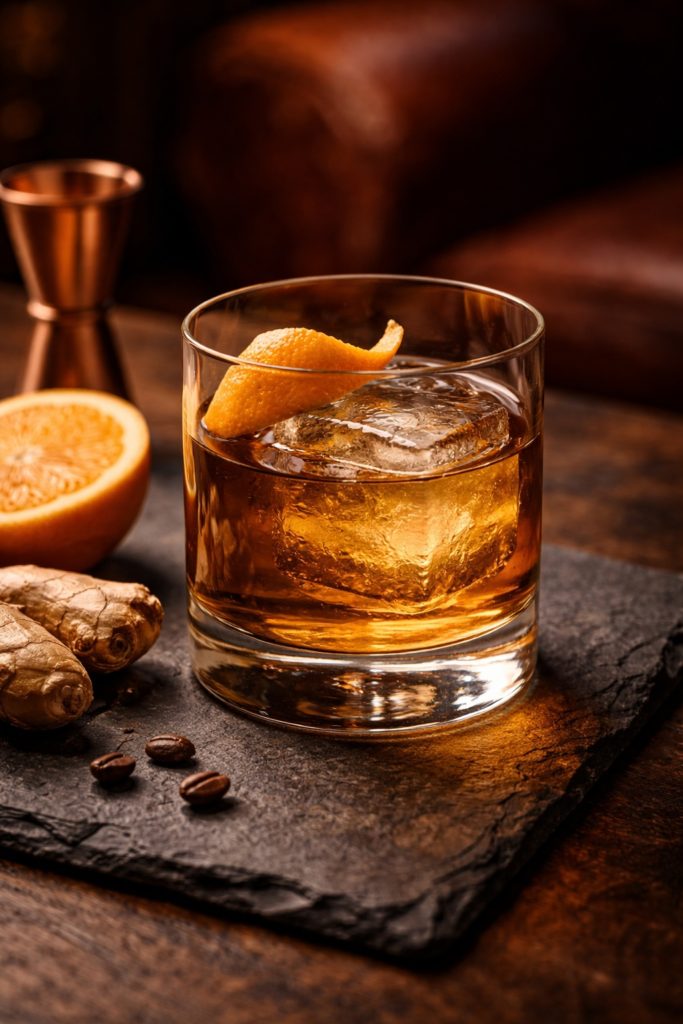 Smoke meets Sicilian bitterness meets warm ginger spice. The Averna’s herbal complexity finds common ground with the mezcal’s char while the ginger adds warmth without sweetness. Stirred, spirit-forward, contemplative. A sipper for cold January nights.
- 1½ oz Lobos 1707 Mezcal
- 1 oz Averna Amaro
- ½ oz Domain Canton Ginger liqueur
- ¼ oz agave nectar
- 2 dashes orange bitters
Stir all ingredients with ice until well chilled. Strain into rocks glass over one large cube. Express orange peel over the drink and drop in.
The Golden Hour (Reposado Tequila)
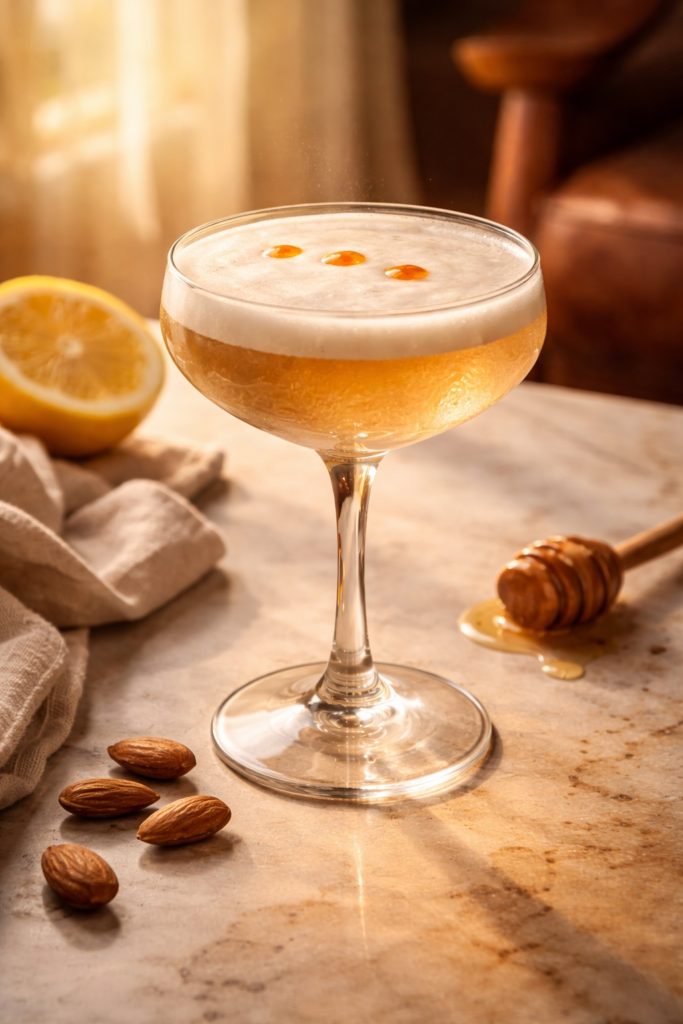 The amaretto’s almond and marzipan quality wraps around the reposado’s vanilla and caramel from the PX finish like they were made for each other. The honey bridges them, the lemon lifts everything, and the egg white gives it that luxurious silky texture. Warm, golden, elegant. A January evening cocktail.
- 2 oz Lobos 1707 Reposado
- ½ oz amaretto
- ¾ oz fresh lemon juice
- ½ oz honey syrup (1:1)
- 1 egg white
- 2 dashes orange bitters
Dry shake all ingredients except bitters. Add ice, shake again until well chilled. Strain into coupe. Drop orange bitters on foam.
The Storyteller (Reposado Tequila)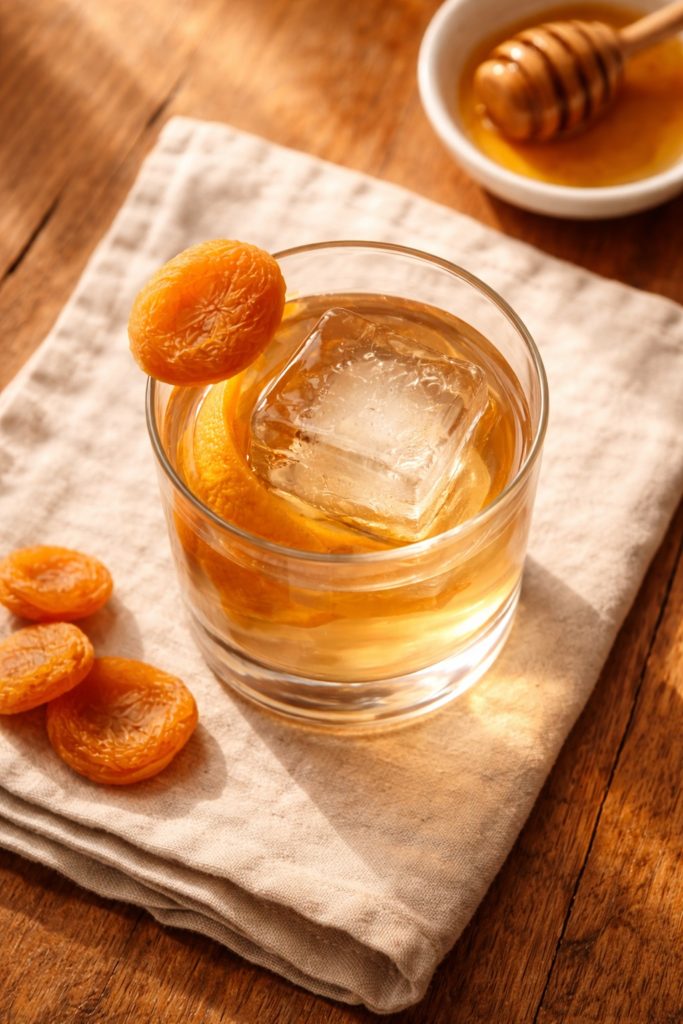
Builds on the PX’s dried fruit notes with apricot, adds Sicilian bittersweet complexity with Averna. The layers unfold slowly as you sip, revealing new corners with each taste. Spirit-forward and contemplative.
- 2 oz Lobos 1707 Reposado
- ½ oz apricot liqueur
- ¼ oz Averna Amaro
- ¼ oz agave nectar
- 2 dashes orange bitters
Stir all ingredients with ice until well chilled. Strain into rocks glass over one large cube. Express orange peel over drink and drop in.