The Morning News – August 2025 – Escaping the Tariffs
I consider myself an equal opportunity imbiber. Wine shares similarities with other arts of the world, like the music and culinary. Just as I would never restrict myself to listen to only one genre of music or consume one style of food, the same goes with wine. I try to drink diversely, enjoying wines from different varieties, blends, styles and corners of the globe.
Unfortunately, with the threat of impending tariffs, my wallet seems to carry a slightly louder voice than my palate. Granted, paying 10 or 15% more for a bottle of wine would not discourage my purchase, but that will not likely be the case. As we still use that archaic and consumer-fleecing three-tiered system, each rung on that ladder will increase their take. Thus, the consumer will feel a 30 – 50% markup and fingers get pointed in the wrong direction.
My plan to keep consuming at a regular pace and from the same shelf level, involves switching to near term domestic-focused selections. Even a Eurocentric wine palate can uncover similar styles without crossing the pond. So, until they get this beverage tariff mess worked out, a strategy of ethnocentric consumption will be implemented.
Sparkling
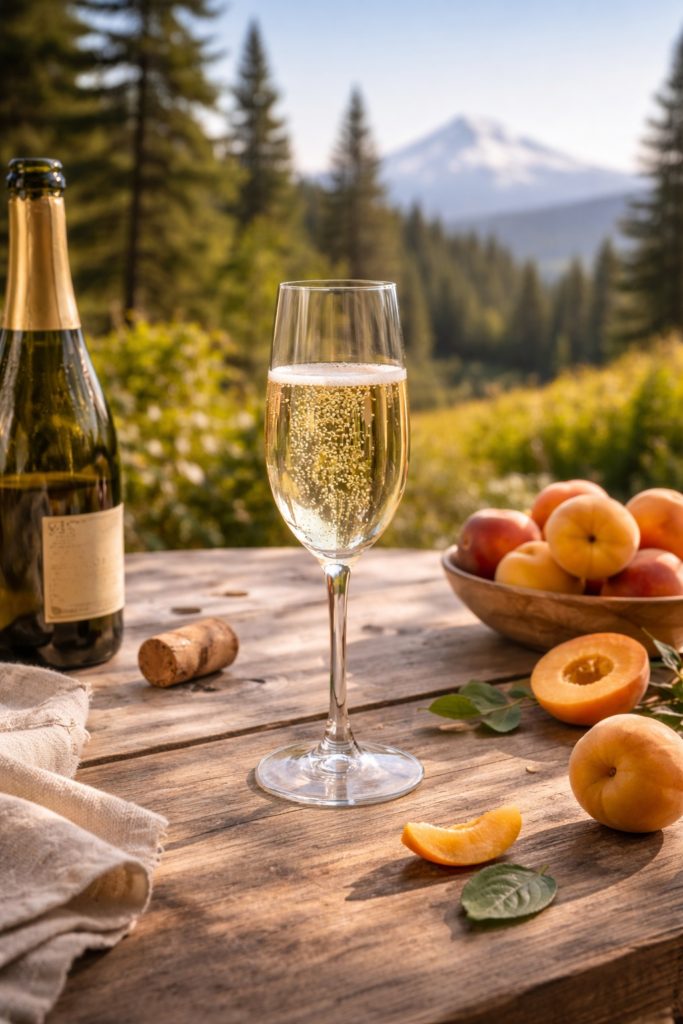 The three biggest sparkling wine imports are from France (Champagne and Crémant), Italy (Prosecco) and Spain (Cava) and they are all good in their own right. Our domestic production of bubbles, however, is often overlooked and underappreciated. Areas of California like Napa, Sonoma and Mendocino have a long history of quality sparkling mainly due to the foreign investment from some of the major players in Champagne.
The Finger Lakes region of New York, and the Pacific Northwest (Washington and Oregon) are putting themselves on the map with some incredible quality sparkling examples. Due to its high-altitude vineyards, even areas like New Mexico have been surprisingly successful with fostering a sparkling wine environment. So, if your favorite bottle of imported bubbly ebbs out of your price range, know that you have a world of domestic sparkling wine just waiting your exploration.
Chardonnay
 Chardonnay is a major contributor to worldwide wine industry sales by both volume and value. The United States has about a 50/50 split between imported Chardonnay and domestic production, with 80% of that coming from California. As almost every state has some commercial production, but I find that those with a cooler climate, especially a wide diurnal temperature range, tend to make the best Chardonnay.
Before rolling your eyes and turning your nose up at this variety, one must realize that all Chardonnay is not the same. The grape is often called a table rasa, or blank slate, being regarded as a true winemaker’s grape. Its versatility is one of the elements that makes the variety so attractive to work with as harvest decisions, ferment time and temperature, choice of vessel during and after ferment, and use of malolactic conversion, all have a huge impact on style. As I am extremely opinionated on my Chardonnay consumption, and not a fan of heavy oak or buttery malolactic, I tend to gravitate to the Finger Lakes for my preferred style of this variety.
Italian White
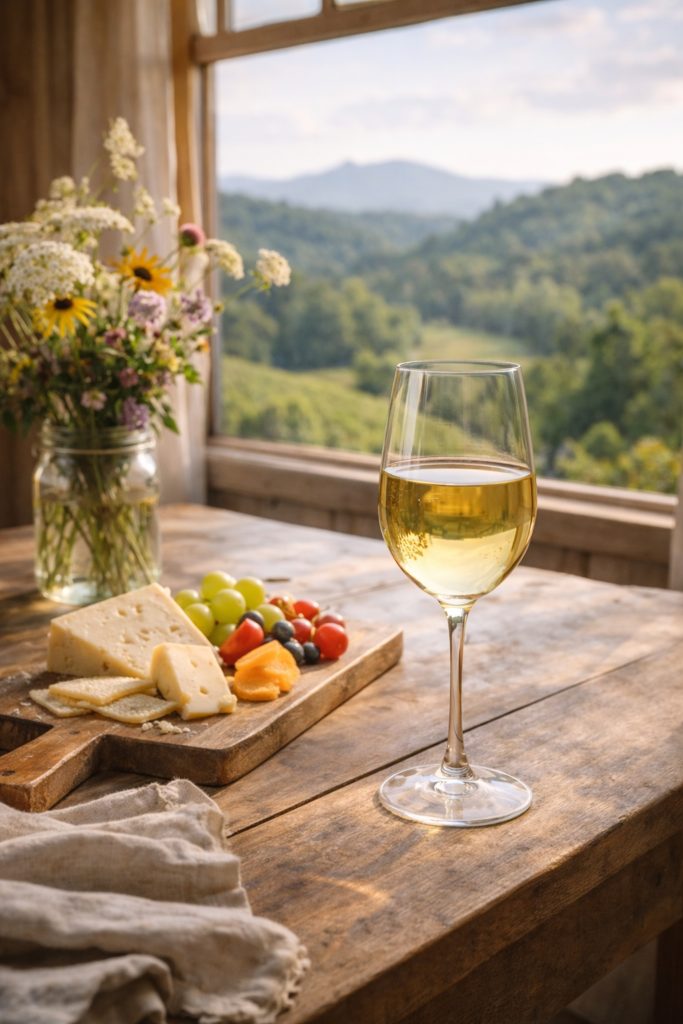 Italian white wines are extremely popular in our domestic markets and rightfully so. These wines are a great summer sipper by the pool but also pair extremely well with lighter summer dishes. Many stateside producers will gravitate to Moscato, Pinot Grigio, or Glera leaving so many interesting Italian varieties unexplored.
As part of an exploration of emerging wine regions, I had a chance to visit and sample through some wineries in Yadkin Valley, North Carolina. Although there are a wide variety of different grapes, ciders and fruit wines being produced, many at very high quality, I was extremely impressed with the diversity of Italian varieties being grown there. Not discounting their red wines, but I feel the Italian whites are a bit more difficult to get right, and a few producers really knocked it out of the park.
Pinot Noir
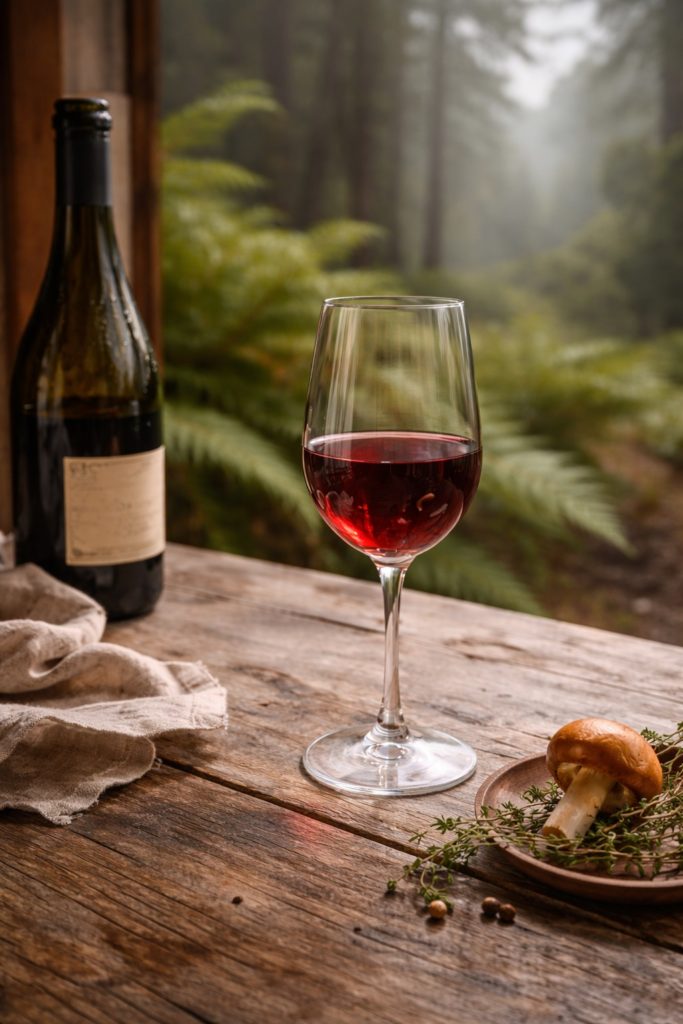 As much as I love red Burgundy, much of it has crossed above the threshold of being a comfortable purchase, and that was before any added tariff factors. Luckily, we have some of the best Pinot Noir in the world produced right here between our shores. I stand by my statement that Willamette Valley produces the sexiest of these wines even at their extremely affordable entry level bottles.
An interesting element of these Pinot Noir wines from Willamette, is their diversity of expression. Varying soil structures, microclimates and winemaking philosophies, translate to the final wines giving them subtle nuanced differences that make sampling through the valley anything but boring. When I’m buying a domestic Pinot Noir, Willamette has never left me disappointed.
Mourvèdre
 Rhone and Spanish red wines have become fan favorites over the last few decades. One variety that crosses over the border and can be found in both the wines of Southern France and Spain is Mourvèdre. This heat loving grape is late ripening and needs plenty of sunshine with a long growing season to reach its full potential.
Select areas of California grow most of the domestic Mourvèdre, with Paso Robles and Contra Costa having notable success with Mourvèdre dominant blends. More recently, we have seen an increase in viticulture in warmer regions and with this trend, an increase in our Mourvèdre plantings. Both Texas and Arizona have done particularly well in terms of growing grapes and making award-winning Mourvèdre based wines. If you have yet to experience the wines from these areas, especially Texas High Plains AVA or Arizona’s Willcox AVA, I urge you to lean on your local bottle shop to bring some in or order direct online. If this style of wine suits your palate, you will be gob-smacked at the quality coming out of these regions.
The aforementioned examples are but the tip of the viticultural iceberg when it comes to interesting alternatives to imported wines. Although there are some special wines that one would be hard-pressed to find true compensatory domestic example, there are more than enough regions and varieties to keep you busy during these trying times. The only other alternative is to go full abstinence but I cannot envision that teetotaling would be that much fun.
Suggested Wines:
Tirriddis Sun King Vineyards Sparkling Muscat 2023 Yakima Valley, Washington State ($43)
The wine is mostly Muscat with a small amount of Pinot Gris and is a great example of what happens when fun meets quality. It expresses overt aromas of stone fruit nectar (apricot, peach, pear), and circus peanuts marshmallow candy. The palate is perceptibly dry, even with a dosage of 10 g/L due to a nice balance with the sturdy citric-like acid core. The mousse is fine, mouth-caressing and, along with added blood orange and tangerine flavors, leads to a pleasant slightly bitter finish.
Scout Vineyard Stainless Steel Chardonnay 2021 Seneca Lake, New York ($30)
Clone 76 Chardonnay comes from the Nutt Road Vineyard on Seneca Lake. Made without oak, it spends eight months on its lees, building a silky, elegant texture. The nose offers fresh orchard and stone fruits (apricot, white peach, Asian pear), like a spring morning in an orchard. On the palate, it’s perceptibly dry, with a whisper of residual sugar softening the bright acidity. Flavors mirror the nose, joined by a hint of lime, leading to a tangy, lingering finish.
Castello Barone La Alba Yadkin Valley, North Carolina ($26)
With this marriage of equal amounts of Petit Manseng and Vermentino one first notices overt aromas of tropical citrus (grilled pineapple), orchard fruit (pear, yellow apple), citrus blossom, baking spice and a slight dusty oak nuance. The palate has off dry residual sugar, medium plus noticeable increased viscous body, tart acid structure, with flavors of tropical (caramelized pineapple), butterscotch, slight tangerine notes and a long lingering finish. The palate is akin to a well-made and not overtly sweet pineapple upside-down cake.
Sokol Blosser Redland Cuvée Pinot Noir 2023 Willamette Valley, Oregon $30
The wine is a blend of Pinot Noir clones 667, 777, Pommard, 12 Row, Wadenswil, and Pinot Droit and spends 10 months resting (85% in oak and 15% in stainless steel). The nose shows bright red fruits (pomegranate, cranberry, strawberry), baking spices (cinnamon, clove) and cedar layered with earthy tones of dried tea leaves and forest floor after a rainstorm. The palate is alive with tart, crunchy acidity and flavors of strawberry, cherry, and raspberry, backed by subtle earthiness and fine-grained tannins. The finish is crisp, textured, and refreshing.
La Valentía Fire Oak Red Blend 2022 Texas ($37)
The grapes for this blend come from the Fire Oak Vineyard in Mills County, grown on the slopes of San Saba peak and is a blend of 75% Mourvèdre and 25% Carignan. Many Mourvèdre based wines can be overt, bold, high alcohol and even “clunky” at times. This wine is none of those things. The nose is a burlesque show of aromatics with notes of black and red fruit (blackberry, mulberry, and boysenberry), an herbal/spice component that is reminiscent of cut sage along with a slightly menthol quality. The tannins have a fine-grained silty texture and the acidity wraps this package in freshness. This is a seductive expression of Mourvèdre.