Spring into Alto Adige
For many areas of the country, that little whistle pig’s prognostications have come to pass with winter still maintaining her grip on the weather. In the south, however, we have traded the cold and snow for our seasonal lovely ubiquitous dusting of yellow pollen. Spring is officially here, and with the sinus torture comes the promise of increased outdoor imbibing opportunities.
Although I drink how I think, diversely and unapologetically, this time of year I admittedly find myself gravitating to the white varieties. Perhaps it is the warmer weather or that my menu selections tend to be lighter and more “critters from the sea” inspired. Whatever the reason, my self-awareness has me tasting through white wine inspired regions in preparation for my springtime conversion.
While performing my due diligence of tasting through a myriad of wines so my readers don’t have to, I stumbled back into Italy’s Alto Adige. This nostalgic trip reminded me why I adore this region and the wines they offer.
If you are not familiar with this Italian region, it’s located at the extreme northeast of the country bordering both Austria and Switzerland. If we look at Italy as the boot, Alto Adige is about as far up as a gentleman can place a garter on the maid of honor during a wedding.
Also going by the name Südtirol (South Tyrol) because it formed the southern portion of the country Tyrol, the Alto Adige region was part of the Austro-Hungarian Empire until 1919. Although a part of Italy, the region is culturally more German-Austrian with over 70% of the population speaking an Austrian-influenced German dialect. You’ll find menus featuring speck and canederli alongside pasta, and wine labels bearing names like “Kellerei” and “Weingut” rather than “Cantina.”
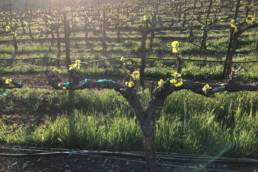
What makes Alto Adige special for grape growing is a study in contradictions. The region is harsh. Vineyards perch on steep slopes, some reaching nearly 3,000 feet above sea level. The terrain is so dramatic that much of the work must be done by hand. Winter brings Alpine cold, and the growing season demands constant attention.
The rewards for braving this inhospitable environment can be extraordinary. High altitude means more intense sunlight, which develops flavor and complexity in the grapes. Those same elevations create significant diurnal temperature swings, with warm days giving way to cool nights. This daily roller coaster allows the grapes to ripen fully while retaining their natural acidity. The resultant wines show remarkable freshness, tension, and vibrancy that make them ideal companions for spring.
Elena Walch Pinot Grigio Alto Adige DOC 2024 ($22) comes from one of the region’s most celebrated estates. Elena Walch has been at the forefront of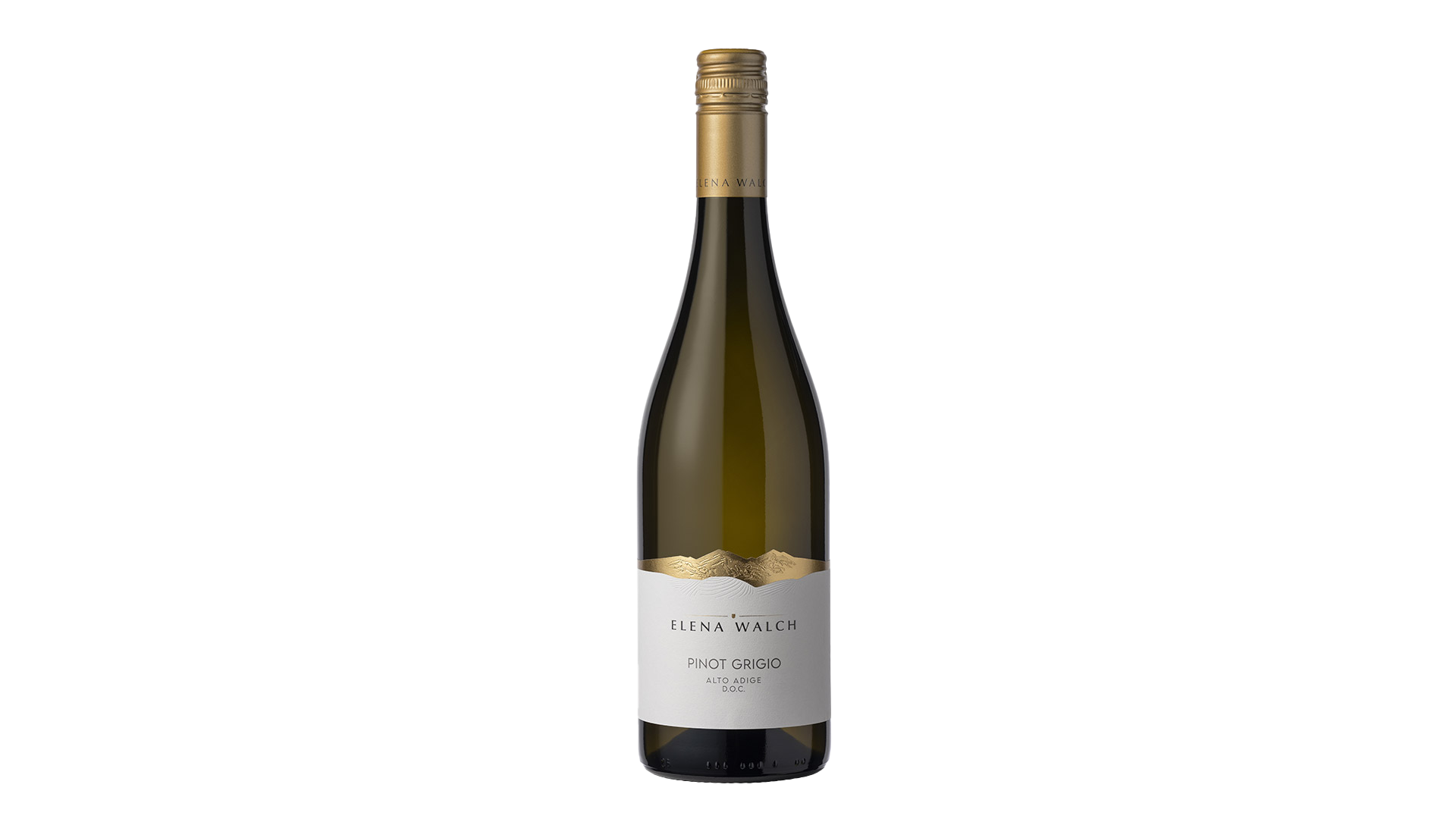 Alto Adige’s quality revolution, and her 55 hectares span some of the best vineyard sites in the area. This Pinot Grigio earned 91 points from Wine Spectator and a spot on their Top 100 list, which is impressive for a wine at this price point. In the glass, it shows light straw yellow with fruity notes of ripe pear, white pepper, and a whisper of sage. Tasting delivers mineral-salty richness and crisp acidity. This is Pinot Grigio with backbone, not some watery afterthought.
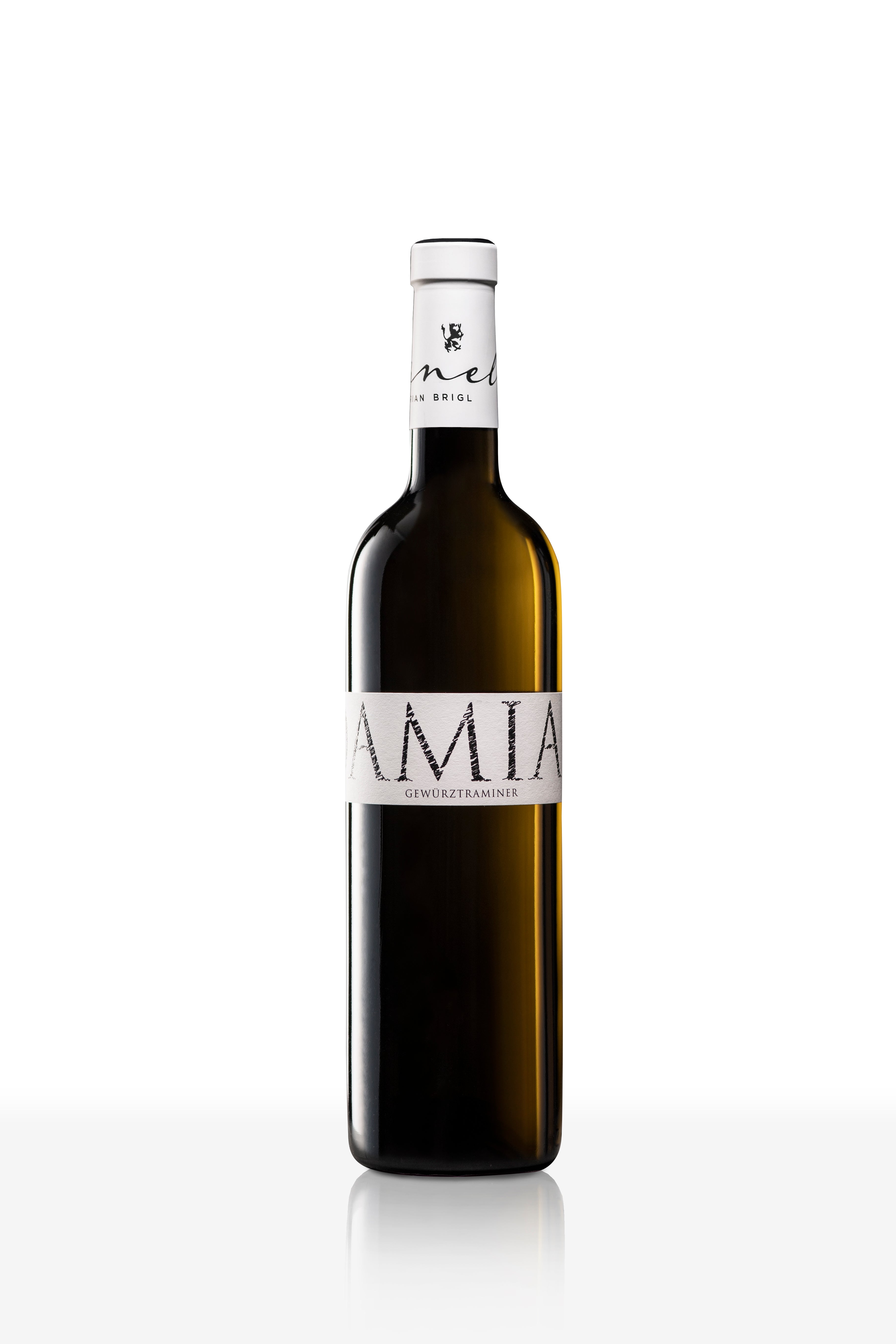 Tenuta Kornell Damian Gewürztraminer Alto Adige DOC 2023 ($22) represents a different approach to this famously aromatic grape. The Kornell estate in Terlano has roots dating back over 700 years, though the modern incarnation was founded in 2001 by Florian Brigl. The name “Damian” honors the estate’s historic connection to Saints Cosmas and Damian. What sets this Gewürztraminer apart is its restraint. Where many versions of this grape assault you with sweetness and perfume, the Damian offers delicate aromas of ripe apricot, orange peel, orange blossom, and marzipan with hints of rose and cinnamon. It’s viscous and full-bodied but elegant and sexy, with lively freshness balancing that characteristic richness.
Kellerei Meran Festival Sauvignon Alto Adige DOC 2023 ($23) comes from a cooperative with history dating to 1901. Today,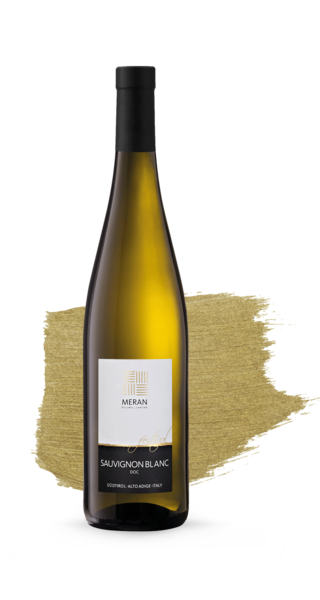 after a 2010 merger, Kellerei Meran represents about 360 grower-members cultivating vineyards across two dramatically different zones: the Mediterranean-influenced hills around Merano and the extreme Alpine conditions of the Vinschgau Valley. Their Festival Sauvignon Blanc thrives on steep east and west-facing slopes around Merano, where it develops that characteristic herbaceous intensity. Expect bright lemon-green color, aromas of fresh herbs, green grass, nettles, and cardamom. In the mouth, it’s elegant and spicy with a persistent finish and well-integrated acidity. I think it drinks well above this price point, but don’t tell the producer.
What strikes me about all three of these wines is their shared sense of place. Despite different producers and grape varieties, they all carry that Alpine signature: bright acidity, mineral undertones, and a freshness that practically demands you drink them outdoors. They also share a remarkably friendly price point, with all three coming in under $25.
As the pollen settles and the temperatures rise, these are exactly the wines I want on my patio table. Pair them with grilled seafood, spring salads, or simply enjoy them as an aperitif while watching the azaleas bloom. Alto Adige has once again reminded me why it deserves a permanent spot in my spring rotation.
Now if you’ll excuse me, I have some “critters from the sea” to attend to.